Birds successfully build their nests using discarded cigarette butts
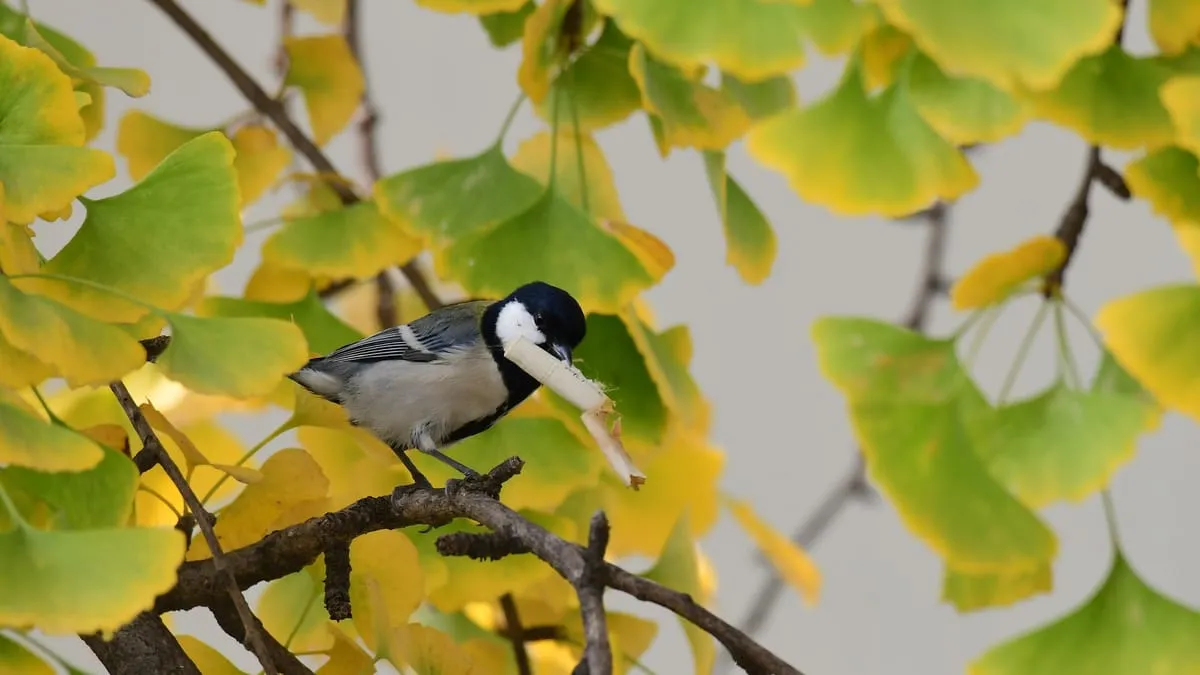
Urban birds have started using an unlikely material in their nests: cigarette butts. These items are often considered an environmental problem because of their plastic content, but some birds appear to benefit from them.
Why they’re doing it
Urban wildlife adaptation occurs in response to pollution. Research led by Isabel López-Rull from the University of Tlaxcala in Mexico has brought this behaviour to light. The study looked at two species in particular, the house sparrow (Passer domesticus) and the house finch (Carpodacus mexicanus), and found they often include 8 to 10 cigarette butts in a single nest.
The butts seem to do two jobs. Birds may be drawn to the soft filters for their texture, but there is also nicotine residue on those filters that appears to play a more important part. Parasite mitigation strategy leading to better outcomes for eggs and fledglings.
That said, the picture is not straightforward. Wildvogelhilfe, a German wild bird aid organisation, warns against seeing this as purely beneficial. Nicotine is a potent pesticide in agriculture and can be dangerous to nestlings. As Wildvogelhilfe puts it: “If unfeathered nestlings come into direct contact with used cigarette filters, they can absorb toxins such as the dangerous nicotine through their skin,” potentially leading to fatal outcomes.
City birds pick up cigarette butts
In urban areas, where littering often goes unchecked, cigarette butts are common. The filters are mostly made of non-biodegradable cellulose acetate, and they add up to a serious environmental problem. Leaving them around can even lead to fines, underlining the responsibility people have when disposing of rubbish.
For birds, those filters are another building material to use in nests. Urban birds have long been known to exploit human refuse, and the use of cigarette waste illustrates how city life changes the materials available to them. It is still unclear whether birds actively seek out the antiparasitic properties of nicotine or simply pick butts because they are handy and sturdy.
For scientists, the finding raises questions about how birds behave and adapt in urban settings. The association between nicotine and lower parasite numbers provides information on how birds survive in towns, while the wider ecological questions point to the need for better waste management.
Further research is needed. The fact that cigarette butts can be both pollutant and possibly protective shows the close interaction between human activity and wildlife. One clear implication is that proper disposal of cigarette butts is necessary to protect the environment and to avoid unintended effects on wildlife.