Tap water: A mistake many people make that could put your health at risk
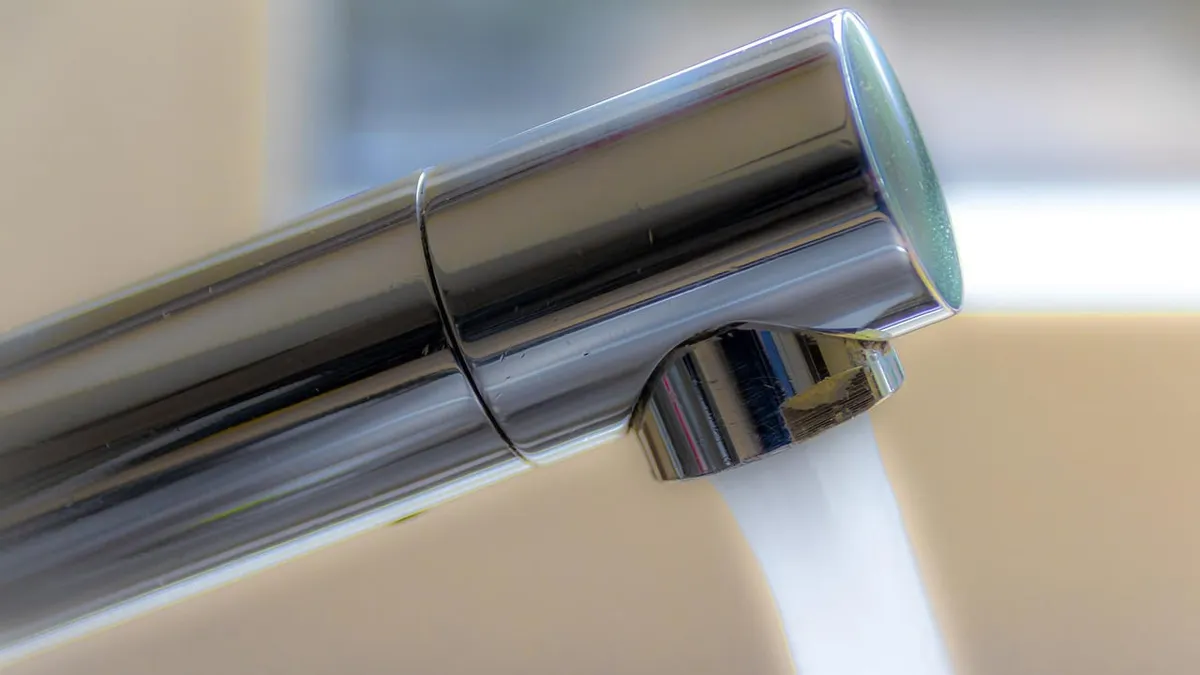
Many people begin their morning routine with a glass of tap water. How many stop to think about the habit of letting the tap run for a moment before drinking? The practice has drawn attention in Germany amid concerns about climate-related water shortages. According to Utopia.de (a German website), wasting litres of water this way has environmental consequences.
The debate over tap water
Tap water is often recommended over bottled mineral water because it has a lower climate and environmental impact. In Germany, the climate burden of mineral water in Germany is almost 600 times higher than that of tap water. Tap water is also about roughly 100 times cheaper than bottled options.
People worry about water that has been sitting in pipes. Water that’s been in the pipes for more than four hours is called “stagnation water” and can pick up substances from fittings and pipes, which could pose health risks. For that reason, organisations such as the Verbraucherzentrale (German consumer advice centre) recommend not using this water for cooking or drinking.
How to make sure your tap water is safe
The Umweltbundesamt (German Environment Agency), along with other bodies, suggests running the tap until the water is cooler so you are getting fresh supply. As Astrid Hackenesch-Rump from the Berliner Wasserbetriebe (Berlin water utility) puts it: “We recommend letting the water run until it is no longer getting colder. Depending on the storey and thus the distance the water must travel from the pipe network to the tap, this can be 15 to 60 seconds.”
After returning from holidays, flushing the pipes is even more important. Let approximately ten litres run before drinking, and run hot-water systems at maximum temperature for several minutes to reduce the risk of Legionella bacteria (temperatures above 60 °C effectively kill these bacteria). Keeping warm-water systems consistently around 55-60 °C also helps reduce the chances of stagnation-related problems.
Practical ways to save water
You can avoid wasting that run-off water by collecting it in buckets, large pots or jugs and using it for things like watering houseplants and gardens, flushing toilets and cleaning. Other easy water-saving steps include shorter showers or fitting a water-saving shower head.
The Verbraucherzentrale highlights the climate differences between tap and mineral water and advises considering not only cost but also environmental impact when choosing between them.
Following guidance from environmental and consumer agencies and adjusting daily habits can help reduce misuse and depletion of water resources. As discussion continues, routines can change to protect future water supplies.