Scientists bore record 228‑metre rock core from West Antarctica—the deepest of its type ever recovered
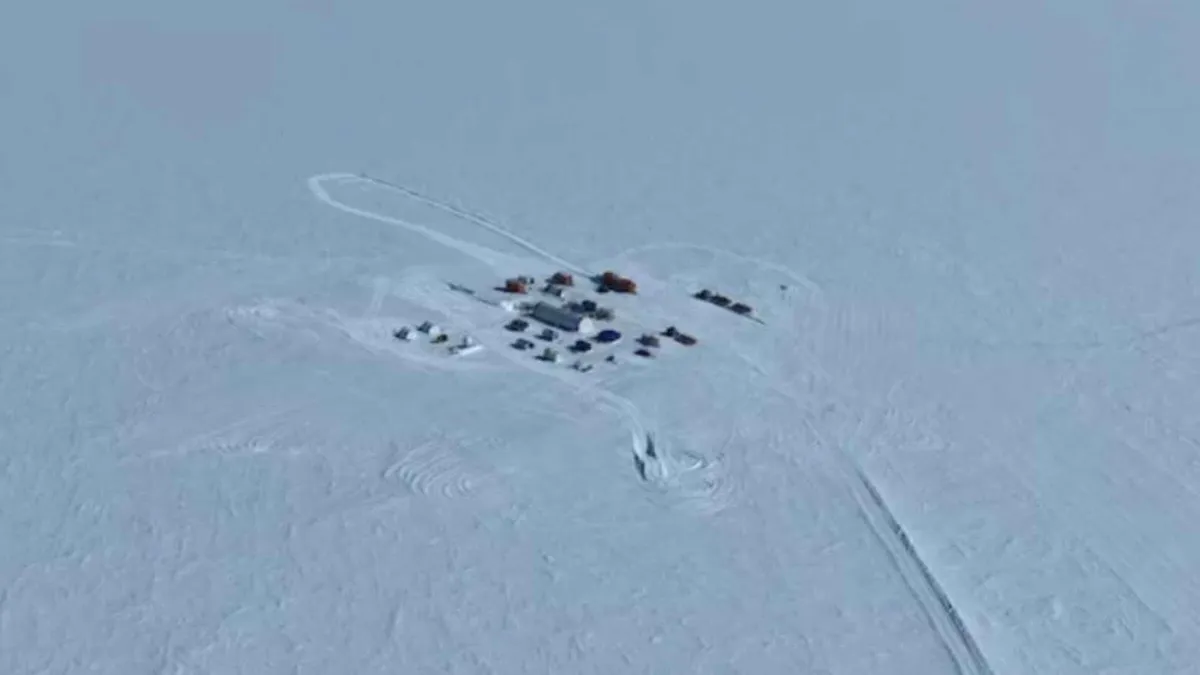
In a drilling effort led by Earth Sciences New Zealand, Te Herenga Waka Victoria University of Wellington, and Antarctica New Zealand, researchers have, for the first time, retrieved a sediment core from beneath the West Antarctic Ice Sheet. The SWAIS2C project recovered a sediment core from Crary Ice Rise in West Antarctica, the deepest of its kind, and is expected to provide new information on past climates and future sea-level changes as satellite data point to accelerating ice loss across Antarctica.
Drilling operation on the ice
The drilling took place more than 700 km from Scott Base, through 523 m of ice, and recovered 228 m of sediment core. Each section of that core records geological and environmental conditions reaching back roughly 23 million years. The team used a purpose-built drilling system, after first using hot-water drilling to penetrate the ice cover, a standard method for thick ice. Scientists from ten countries joined the project, reflecting the international nature of Antarctic research.
Inside the core are alternating layers of coarse gravel and finer mud. The gravel contains larger rocks typically found under grounded ice, while the finer mud is packed with shell fragments and marine microfossils. Molly Patterson says those finer layers are “a strong sign that open water once existed overhead”, which indicates the area was once part of an open-ocean ecosystem during warmer periods.
Why it matters worldwide and what comes next
The discovery has implications beyond basic research. Huw Horgan says the sediment core is expected to offer “critical insights” into how this part of Antarctica might behave as temperatures rise, which will help improve forecasts for global sea-level rise. Melting of the West Antarctic Ice Sheet could raise sea levels by 4 to 5 metres, and the behaviour of that ice sheet is therefore one of the major uncertainties in climate modelling. The Ross Ice Shelf acts as a support, slowing glacier flow, so changes there could have consequences for coastlines around the world.
Back in their labs, scientists from those ten countries will work together to determine the ages of the sediment layers and refine interpretations. This phase is important for incorporating the new data into computer models that predict Antarctic ice-sheet retreat. The results should help with planning for coastal cities, ports and flood management.
Linking past records to future forecasts
This project fills a long-standing gap in knowledge of ice-sheet behaviour deep inside West Antarctica and has practical applications. A 2022 paper in the journal Scientific Drilling argued for the need for direct evidence from beneath the ice sheet, saying coastal and offshore records alone were not telling the whole story.
These advances matter to communities and decision-makers concerned about sea-level rise and responses to climate change. The sediment archive from SWAIS2C is likely to inform further research and technological development, and its findings should improve projections and responses.
The SWAIS2C project brought together international expertise and modern methods. The deep core sample may change how societies prepare for sea-level rise. Its findings could affect forecasts and policy and will require coordinated international consideration.