Chernobyl Mushroom Appears to Possess an Astonishing Adaptation
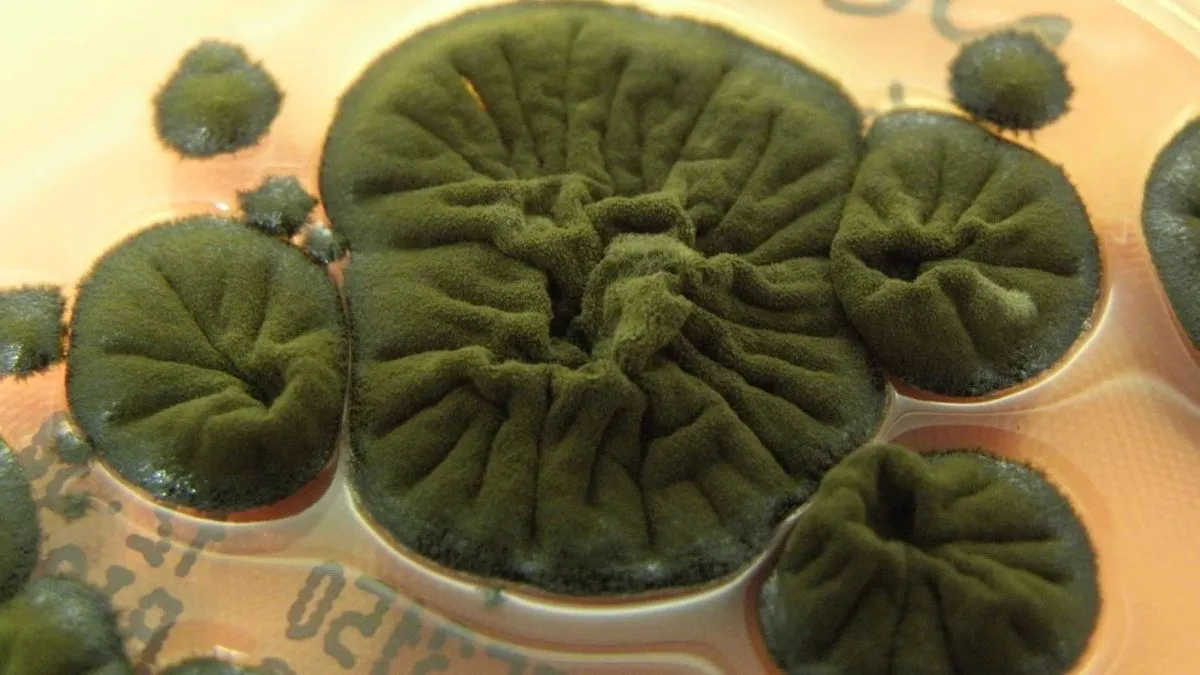
Amid the emptiness of the Chernobyl Exclusion Zone, a black fungus, Cladosporium sphaerospermum, is doing well in a highly contaminated environment. Clinging to the inside walls of Unit Four at the Chernobyl Nuclear Power Plant, this fungus raises questions about how life adapts and survives under ionising radiation. Findings from this site could inform understanding of radiation resistance and have implications for future space missions.
Finding the black fungi
Nearly 40 years ago, the catastrophic explosion of Unit Four transformed Chernobyl into an area of heavy radioactive contamination. People have mostly stayed away since, and nature has slowly taken over. In the late 1990s, microbiologist Nelli Zhdanova from the Ukrainian National Academy of Sciences led a field survey inside the shelter around the ruined reactor. The team were surprised to find that Cladosporium sphaerospermum dominated the fungal samples taken there, showing some of the highest levels of radioactive contamination ever recorded.
The fungus is notable for its deep, velvety black colour, a trait it shares with other melanised fungi in the area such as Cladosporium cladosporioides and Wangiella dermatitidis. That dark pigment, melanin, is usually linked to protecting organisms from harsh environmental stressors. Recent work suggests melanin could have functions beyond simple protection.
How radiosynthesis might work
In 2008, radiopharmacologist Ekaterina Dadachova and immunologist Arturo Casadevall, both at the Albert Einstein College of Medicine, investigated how Cladosporium sphaerospermum responds to radiation. Their experiments suggested this fungus wasn’t just resistant to ionising radiation; it grew better when exposed to it.
The researchers proposed a process analogous to photosynthesis and called it “radiosynthesis”. Under this hypothesis, melanin might act in a manner similar to chlorophyll, allowing the fungus to harvest ionising radiation and convert it into usable energy. The exact biochemical pathways, any carbon fixation, or clear metabolic gains tied to ionising radiation remain unproven.
Recent experiments in space
The research has moved beyond Chernobyl. In 2022, a team led by engineer Nils Averesch from Stanford University sent samples of the fungus to the outside of the International Space Station (ISS). Sensors under the petri dishes showed the fungal material absorbed a significant amount of incoming radiation, which suggests possible use as a protective layer for astronauts on long missions.
Averesch’s team noted: “Actual radiosynthesis […] remains to be shown.” In other words, whether ionising radiation can drive carbon reduction or fix inorganic carbon into higher-energy compounds is still an open question.
Questions and speculation
Researchers debate how the fungus acquired this apparent affinity for radiation. It may be an evolved trait that lets the fungus exploit an otherwise hostile environment, or it may be a stress response to poor living conditions. There is no consensus.
Testing the detailed mechanisms is an active area of research. Some researchers have proposed that such organisms could be developed as biological shields to protect humans from radiation, but practical application has not been demonstrated. Further research is needed to establish whether the observed effects can be translated into usable technologies.