Scientists strive to restore a 445-million-year-old creature to the national park
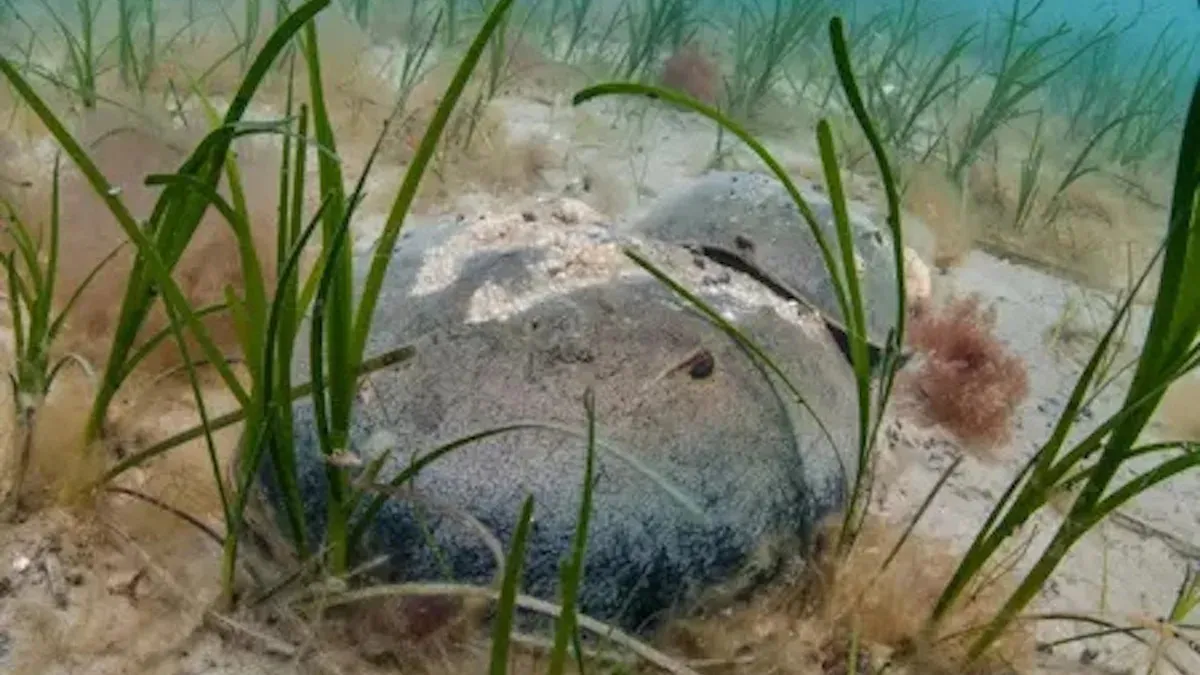
The comeback of a prehistoric creature at Cape Cod’s East Harbor is an example of a local conservation success. Horseshoe crabs, often called “living fossils” for their 445‑million‑year existence, have returned to this site in Massachusetts in noticeable numbers. Their recovery reflects both natural resilience and the effects of targeted human intervention.
How it went wrong
In 1868, a dike was built that blocked seawater from flowing into East Harbor. That change altered the lagoon’s salt levels and led to major shifts in the ecosystem. By the early 2000s, horseshoe crabs that had once been common were all but gone from the area, an example of the unintended effects of changing natural habitats.
Things began to change in 2008, when local officials launched a restoration project. They reopened the lagoon to seawater, and a series of ecological responses followed. Salt‑marsh plants returned, shellfish recovered, and horseshoe crabs began to come back in numbers.
What the recovery means
The horseshoe crab’s return is not only about a single species. Their eggs are an important food source for migratory shorebirds, so bird populations are connected to the crabs’ status. Thousands of crabs now live in the lagoon, and many hatched more than a decade ago, evidence that local breeding is occurring.
Scientists now describe the area as a “true habitat” for the species. The wider ecosystem is healthier as well, which improves its resilience to threats such as storms and erosion.
A feel‑good story for locals and visitors
The East Harbor revival has attracted attention from both residents and visitors to Cape Cod. People have shared reactions on social media, and videos of spawning crabs have been widely circulated. One observer said, “People move here for moments like this.”
Sophia Fox, an aquatic ecologist at Cape Cod National Seashore, called the project a “happy story,” noting the impact of sustained conservation work. The result here aligns with other recoveries elsewhere, such as the resurgence of sei whales off Argentina and rising Irrawaddy dolphin numbers in Cambodia.
Why focused protection can pay off
The East Harbor project illustrates that targeted protection and sensible management can produce recoveries. Similar conservation efforts elsewhere have produced measurable results. Progress is sometimes gradual, but the accumulated gains support continued restoration work.
The restoration at East Harbor is an example of how directed human action can repair environmental damage. For those interested in conservation, the horseshoe crabs’ return is evidence of ecological recovery and a prompt to support comparable projects.