18-year-old student develops water filter that eliminates 95.5% of microplastics
Mia Heller, an 18-year-old student from Virginia, United States, has developed a filtration system that removes microplastics from drinking water. Heller’s invention received coverage in the US magazine Smithsonian.
Why microplastics are a worry
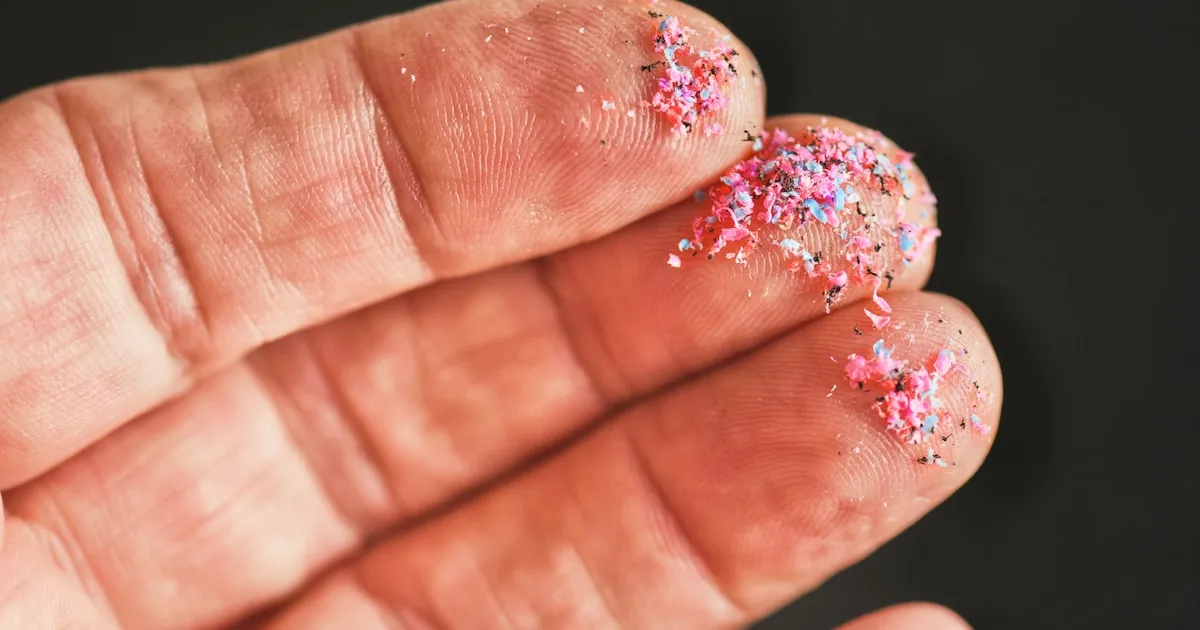
Microplastics have become a major problem in the United States, affecting the quality of drinking water and posing potential health risks. These tiny particles have been found to cross the blood, brain barrier, possibly weakening it and allowing harmful substances to enter the brain. Consequences reported include chronic inflammation, oxidative stress, disruption of mitochondrial function, and mechanical damage to nerve cells. These effects could raise the risk of neurodegenerative diseases such as Alzheimer’s and Parkinson’s.
Heller was driven to tackle this problem after realising that state-run water filtration programmes suffer from low funding. Her own family had experienced the inconvenience of household water-filtration systems that need frequent maintenance and awkward replacement of fine filter membranes. That personal experience prompted her to design a more efficient and less time-consuming solution.
How the filter works
In 2025, Heller built the first prototype of her microplastic filter system in her parents’ garage. The unit, made with private households in mind, is roughly the size of a household appliance, so it fits domestic settings. The core idea is a magnetic fluid that binds microplastic particles. Once the particles are attached to the fluid, they can be pulled out with a magnet. Heller left out membranes (a common feature of traditional systems) to cut down on both maintenance and running costs. As Heller told Smithsonian, “That inspired me to design a filter without membranes to reduce the cost and maintenance effort of water filtration.”
The filter achieves an impressive 95.5% removal efficiency for microplastics and includes a reusable element: a large part of the magnetic fluid can be reused, which helps bring the system’s running costs down. This reduces maintenance compared with conventional systems.
Awards and recognition
Heller was a finalist in the Regeneron International Science and Engineering Fair 2025, one of the world’s biggest student competitions. Her project also won a special prize of £390 from the Patent and Trademark Office Society, a US organisation that supports innovations.
The Smithsonian feature has helped raise awareness of her work and the need to tackle microplastic pollution.
Heller’s filter system is presented as a practical and cost-effective option for millions of households worldwide, and it is an example of youth-led innovation addressing public health and environmental issues. The project points to the potential for small-scale inventions to influence further research and development.
Her work is framed in the context of sustainability and public health and may be of interest to policymakers and environmental groups considering household technology design. By addressing microplastic pollution at the domestic level, the filter could prompt additional research and development in this area.