Volunteers wanted to spend a free month living in the mountains
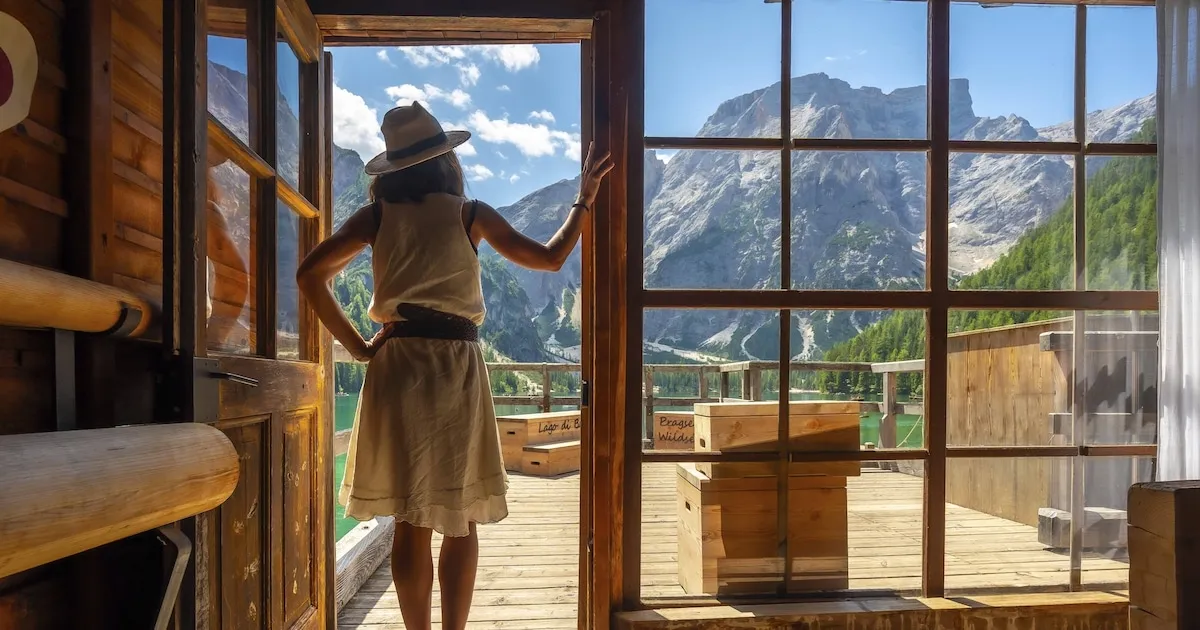
Living at high altitude has long interested scientists, but Eurac Research is studying a less-examined zone: mid-altitude living. Reported by the Italian daily La Repubblica, the MAHE project will look at how spending time at moderate elevations affects different aspects of health, aiming to improve understanding of human adaptation and health outcomes in these environments.
What the MAHE project aims to find
The study takes place at the Rifugio Nino Corsi, also known as Zufallshütte (a mountain hut), in the heart of the Stilfserjoch National Park in South Tyrol, Italy. Participants will live between 2,000 m and 2,500 m above sea level, deliberately focusing on mid-altitude rather than the extreme heights covered by much past research.
Researchers will collect and analyse health data over a four-week period, tracking measures such as blood pressure, sleep quality, nutrition and physical activity. The intention is to fill gaps in the evidence base, given the shortage of data on mid-altitude environments.
Who’s taking part and what they’ll do
A group of twelve participants, aged 18 to 40 years, will be chosen. The call for volunteers drew strong interest: more than 160 applications arrived within hours. Eligible volunteers must normally live at sea level and be in good health; smokers and competitive athletes are excluded to keep the sample consistent.
During their stay, participants will carry on with everyday activities, working remotely, studying and enjoying leisure time, so lifestyle changes do not confound the health measurements and the direct effects of the mid-altitude setting are clearer.
How the environment might affect health
Mid-altitude brings specific environmental features: lower air pressure, less available oxygen and stronger UV radiation. Earlier studies link high-altitude life to lower mortality from cardiovascular disease and some cancers, though respiratory illnesses can worsen at those heights. The MAHE project seeks to determine whether moderate altitudes might offer protective benefits without the risks seen at extreme elevations.
Research cited in Aging and Disease suggests high-altitude life can benefit blood pressure and metabolism. This study will check if similar benefits show up at mid-altitude, adding to the evidence used for health recommendations.
Unanswered questions and inconsistencies
Some details in press reports are unclear or contradictory. Participant pay is one example: the study was initially described as “unpaid”, yet later reports say participants receive £352.00. Other specifics are missing, such as the exact start date, full participant selection criteria and the complete expansion of the MAHE acronym.
Despite these uncertainties, the study is expected to provide further data on how living at mid-altitude affects people’s health. Focusing on moderate elevations, the MAHE project will gather information that could inform future public health strategies and guidelines. As the study progresses, it will prompt reassessment of how people live and adapt to higher ground.