The downsides of container homes that builders rarely talk about
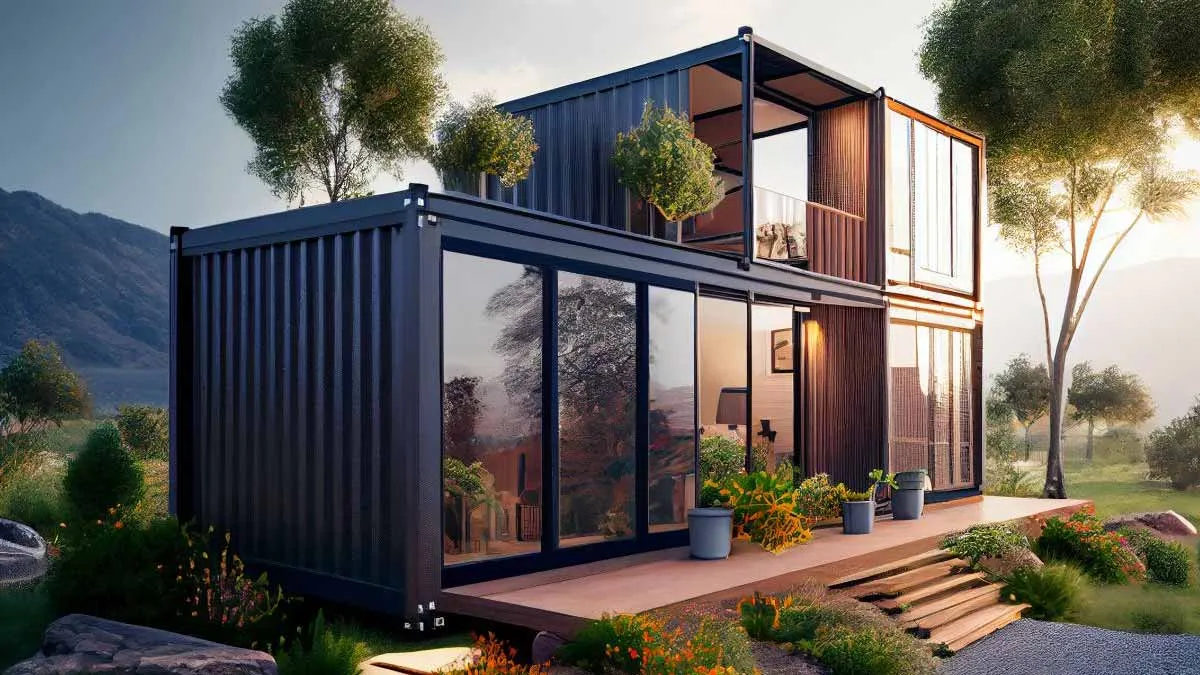
As people seek greener, more inventive ways to live, shipping container homes have grown in popularity. They appear in architecture magazines, on social media and in TV features about eco-housing. They are often presented as modern, quick to build and affordable. However, there are less visible practical issues to consider.
What they are and their basic dimensions
Shipping containers were built as steel boxes to travel the seas, not as family homes. Made mostly of steel, they typically measure around 2.40 m wide and 2.60 m high. Because of that tight footprint, a converted 40 m² container home can shrink to about 30 m² of usable space once you add the necessary insulation. Turning a transport container into a livable house brings particular spatial challenges for architects and owners alike.
Why insulation and comfort are tricky
Thermal and acoustic performance are significant issues. Metal conducts heat and cold quickly, so these homes can become very hot in summer and very cold in winter, which usually means fitting both internal and external insulation. Without soundproofing, rain on the metal roof is loud. That double insulation costs money and reduces already limited living space, worsening the size problem.
The hidden costs beyond the dream
The idea that container homes are cheap can be misleading. Buying the container itself may look affordable, but extra costs pile up fast: transport, structural changes, utility hookups, insulation, external cladding and interior finishes. Add features like bay windows or welding several units together for more room, and the price can even surpass that of a conventional house. People starting projects to save money may be disappointed. Building with containers requires a solid budget and tolerance for unexpected costs.
Design limits and what that means for space
The fixed dimensions (approximately 2.40 m x 2.60 m) make it hard to create larger rooms without welding units together and cutting new openings. Interior work is tricky, too: low ceilings and structural walls need careful handling, or you risk an interior with an industrial, hangar‑like feel. Good design and skilled workmanship are needed to make the space comfortable and attractive.
Rules, planning and upkeep to think about
Container homes do not avoid planning rules. They still require building permits and must comply with local planning and zoning; some councils may be resistant, which can complicate things. Although designed for sea conditions, containers need regular treatment in Britain’s humid climate to prevent corrosion. Repainting and protective measures are necessary to maintain them.
The benefits, and how to do it right
Container homes do have advantages. They can go up fast, are modular and can have a lower environmental impact when you repurpose a used container. Their raw, distinctive look appeals to those seeking a unique, modern home. Success depends on a clear plan, thorough preparation, a realistic budget and patience.
Final thoughts
Living in a container is an innovative option with appeal, but anyone considering it should take care. Costs for insulation, compromises on space and planning constraints mean you need to look beyond Pinterest inspiration. With the right planning and resources, a container home can be a unique, cost‑efficient and environmentally conscious place to live for some people.