Teenager designs water filter that removes 95.5% of microplastics
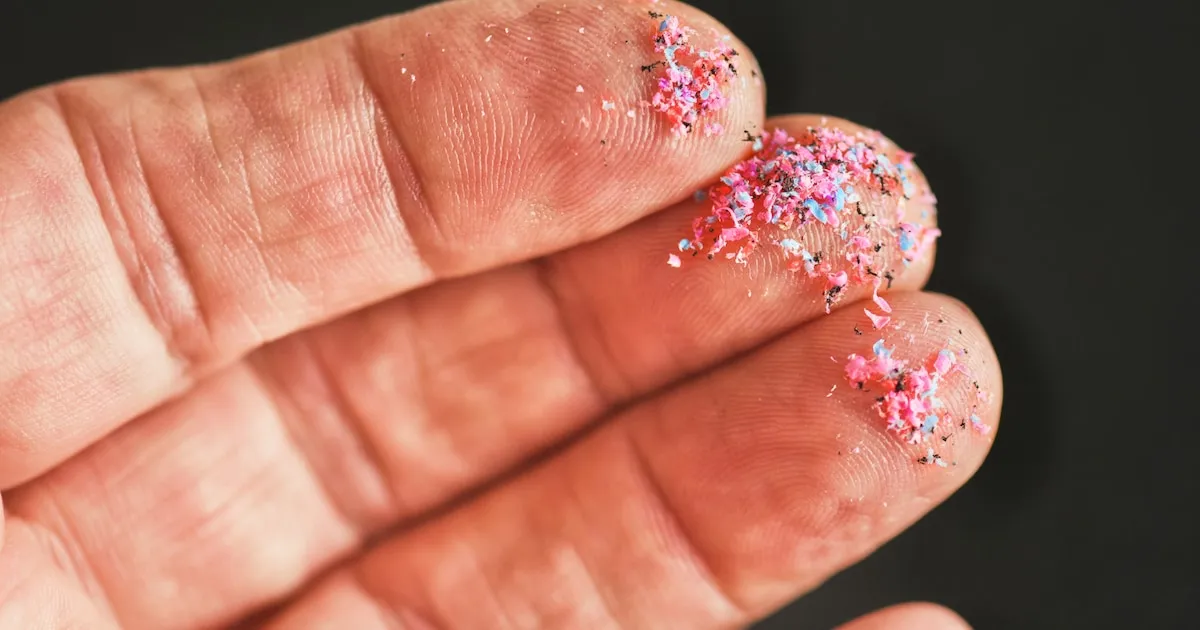
At a time of growing environmental concern, an 18-year-old inventor in Virginia, USA has addressed a public-health and environmental issue: microplastics in drinking water. Mia Heller’s approach produced a household water filtration system that differs from typical models and has attracted attention because of her age and the potential application.
A growing problem and a personal push
Microplastic contamination in drinking water is an increasing concern across the United States. The issue affected Mia through everyday experience; her family relied on a conventional filtration system that required frequent maintenance and replacement because of the fine filter membranes. As she put it, “That inspired me to design a filter without membranes to reduce the cost and the maintenance burden of water filtration.” Limited funding for state water filtration programmes also motivated her to seek a new approach.
What makes her design different
Mia’s setup takes a different route from traditional filters. It uses a magnetic liquid-based system that captures microplastic particles. Instead of fine membranes, the magnetic liquid binds the particles and they are then removed with a magnet. A large portion of this magnetic fluid can be reused, which reduces operational cost. Compared with standard water filters, Mia’s device aims to be more cost-effective and needs fewer component replacements.
She built the prototype in her parents’ garage; it is about the size of a standard household appliance, so it is practical for private homes and could replace existing systems in many cases.
What she’s been recognised for
Mia was a finalist in the Regeneron International Science and Engineering Fair in 2025. She also received a special monetary prize of £400, awarded by the Patent and Trademark Office Society, highlighting the inventive promise of her project. These acknowledgements increase visibility for her work among scientists and inventors.
Why microplastics are a serious health concern
Micro- and nanoplastics are more than an environmental nuisance: studies indicate potential health effects. These tiny particles can cross the blood, brain barrier and have been associated with chronic inflammation, oxidative stress, mitochondrial dysfunction and changes to neuronal structures. Those effects can impair cellular function and have been linked to neurodegenerative diseases, including Alzheimer’s and Parkinson’s. That potential harm increases the need for effective filtration strategies, which is why Mia Heller’s work is relevant.
A step towards safer water and healthier lives
Mia’s membrane-free filter offers a potential, more affordable way to treat drinking water at home. If it proves reliable and scalable, the system could provide households with a cheaper route to cleaner water. The support she has received from science competitions and patent organisations indicates interest in practical, more environmentally friendly solutions.
Mia’s work demonstrates how younger inventors can contribute to applied research in water filtration. As projects like hers gain recognition and development, they may prompt further work on sustainable approaches.