Silverfish: how to stop this tiny yet troublesome insect from invading your home?
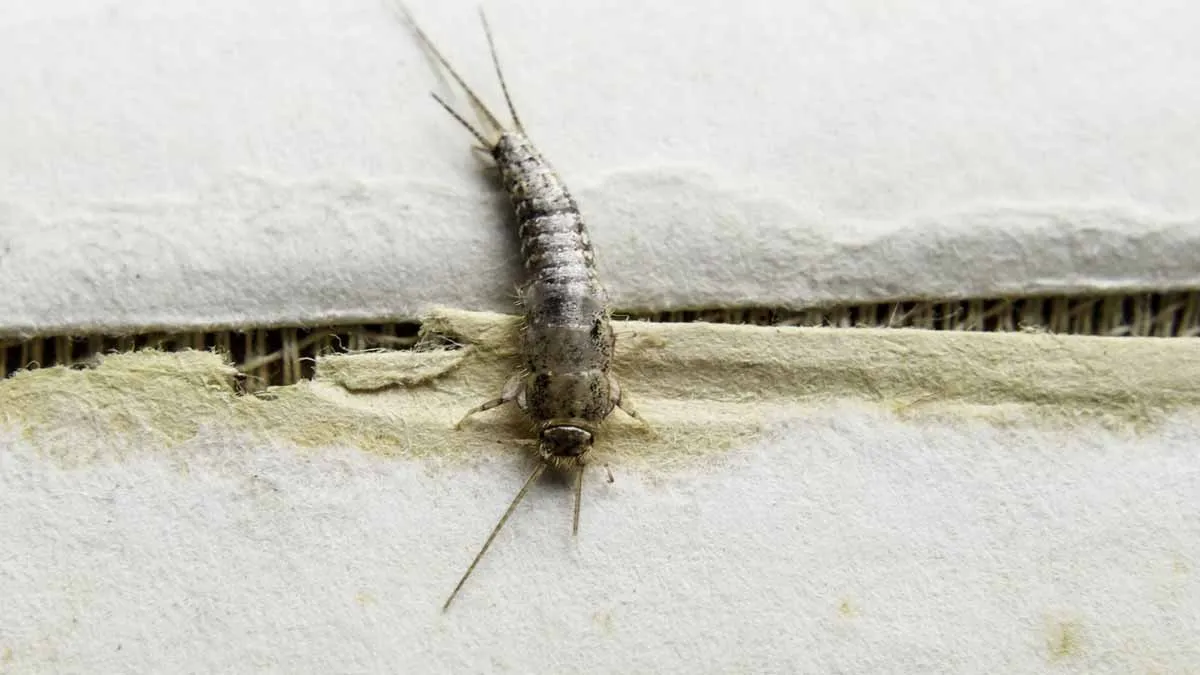
The “silverfish”, known in French as “poissons d’argent”, are insects you may spot by chance in your home. These small creatures are harmless to people but can cause unease because they are furtive and appear in unexpected places. Their nocturnal habits and secretive behaviour explain why people often notice them.
What they look like
These creatures rarely grow beyond 1.5 cm long. With flat bodies covered in tiny, shiny scales, silverfish can appear to have a metallic glint when they skitter about. They also have three small tails (called cerci) at the rear and six short legs that make them very quick.
They move silently, avoid lamp light during the day and become more active at night.
Where they live and what they like
Originating from the tropics, silverfish prefer warm, humid spots. You’ll commonly find them in bathrooms, kitchens and cellars. They hide in damp corners, behind skirting boards or wall cracks, and even at the bottom of forgotten cardboard boxes, which shows how well they have adapted to living alongside humans.
Their diet is wide-ranging. Omnivores, they feed on old book pages, crumbs, sugar, wallpaper paste and even textiles. They do not bite people or attack living plants. Their ability to digest starchy and cellulose-rich material means they can survive in low-food environments and live for several months without eating.
What they can damage and how they get in
Although not a direct health threat, silverfish can cause material damage by nibbling on plaster, paper and textiles. They can also affect poorly sealed food such as flour, cereals or cocoa. They often arrive during a move or may be hiding in old furniture.
Their presence can indicate excess humidity in the house, which calls for corrective measures. To prevent them establishing themselves, tackle damp, ventilate regularly, use a small dehumidifier in enclosed rooms and maintain regular cleaning.
Keeping them at bay: natural solutions
There are several natural methods to deal with these unwanted guests. Use a vacuum to remove eggs and dust; cedar wood gives off a smell they dislike; and essential oils such as lavender or citronella can be applied along skirting boards. Diatomaceous earth powder (rich in silica) works by abrading the insects’ exoskeleton, and aromatic plants like thyme, peppermint or dried bunches of lavender can repel them.
Eradicating silverfish is not achieved by a single method. Combining good ventilation, regular cleaning and natural repellents is the most effective approach. Removing silverfish protects belongings and can improve indoor conditions for occupants.