Scientists bore record-breaking 228-metre rock core in West Antarctica, the deepest sample ever recovered
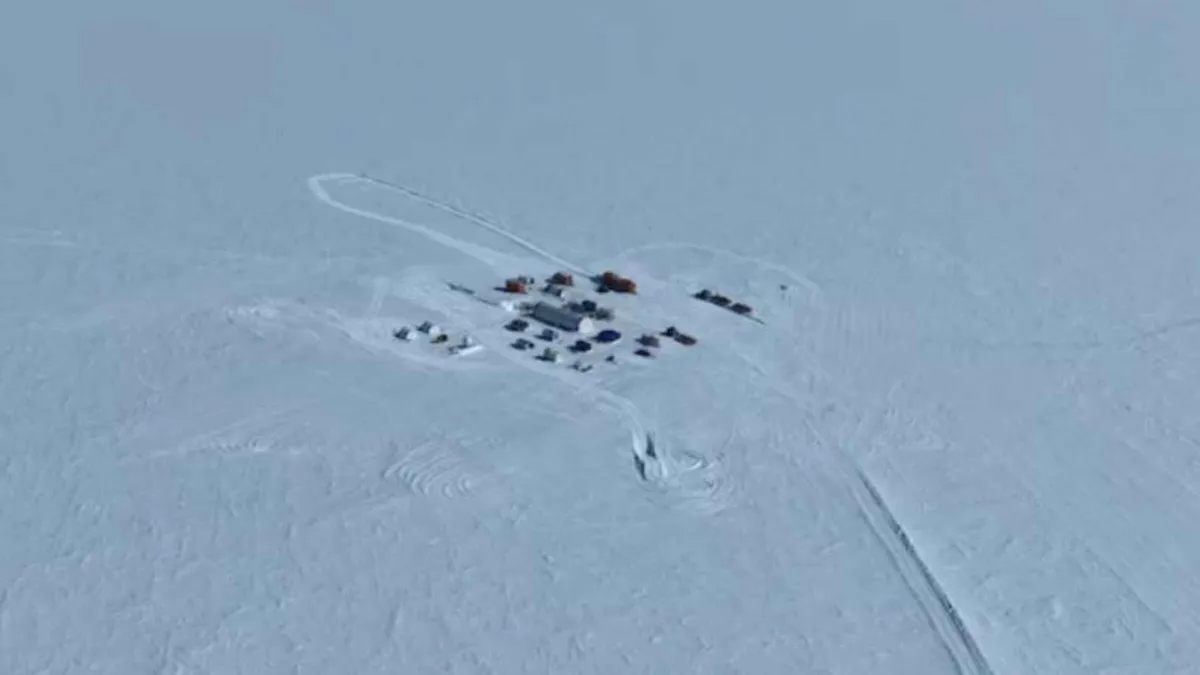
A scientific drilling campaign in West Antarctica has recovered a 228-metre sediment core, the deepest of its kind so far. Described as “a long tube of mud and rock from the middle of Antarctica,” the core could reveal key information about the planet’s climate history.
Inside the SWAIS2C project
The work comes from the SWAIS2C project, led by Earth Sciences New Zealand, Te Herenga Waka Victoria University of Wellington, and Antarctica New Zealand. The findings were released in a press statement by Antarctica New Zealand; the expedition involved international collaboration.
The core was taken from the Crary Ice Rise in West Antarctica, more than 700 kilometres from Scott Base (New Zealand’s research station on Ross Island). The site lies under the Ross Ice Shelf, where the ice reaches 523 metres in thickness. Each piece of the core was hauled up in 3-metre sections with a bespoke drilling rig, producing what researchers call a ‘timeline in the ground’ that stretches back roughly 23 million years.
What the core tells us about Earth’s timeline
The team first cut through the ice with a hot-water drill, then retrieved the sediment core itself. The layers inside record a changing landscape over millions of years. In places, the record points to times when this part of West Antarctica was not ice-covered but open to the ocean, a very different picture from today.
Coarse gravel and larger stones in the core mark periods of grounded ice, while finer mud with shell fragments and tiny marine fossils suggests episodes when seawater reached into the Antarctic interior. As Huw Horgan, a contributor to the study, said, these archives promise to offer “critical insights” into how Antarctica responds to warmer climates.
Why it matters for science and society
The core sits within the West Antarctic Ice Sheet, which contains enough ice to raise global sea levels by 4 to 5 metres if it were to melt entirely. The Ross Ice Shelf acts as a brake on glacier flow toward the ocean, working “like a brace”. Yet satellite measurements show the ice sheet is losing mass at an increasing rate, raising concerns about future sea-level rise.
Studying these sediment layers helps scientists improve models that predict how much and how quickly Antarctic ice might retreat as the planet warms. Better forecasts are important for planning in coastal cities and ports. A 2022 paper in Scientific Drilling had already highlighted the need for samples from Antarctica’s interior, a gap this recovery begins to fill.
What’s next in Antarctic research
Laboratory analysis will begin. Scientists from ten countries will analyse the core to pin down exact dates for its layers and build a detailed timeline of past Antarctic conditions.
The results may inform understanding of past climates and improve projections for future change. The findings will support further research and inform planning for sea-level change and the management of polar environments.