Nobody wants an open-plan kitchen anymore: here’s what’s trending now
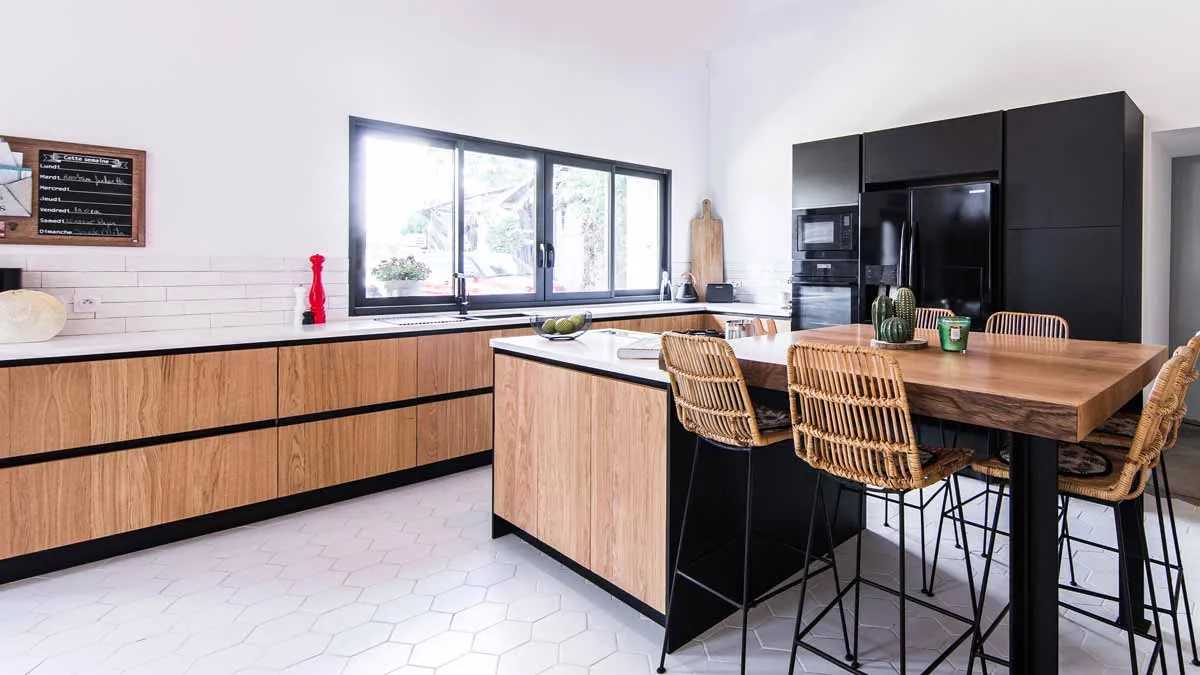
In 2025, kitchen design is set to shift again. Open-plan kitchens have long been the go-to for modern homes, prized for flow and sociability. Many homeowners now want something more flexible that fits how they live and cook.
Why open-plan kitchens are falling out of favour
Open-plan layouts have plenty of pluses, but several drawbacks are becoming harder to ignore. Smells from cooking can hang around long after a meal, and appliance noise spreads through the house. Privacy is reduced; trying to enjoy a quiet coffee or a moment to yourself can be tricky. And because the kitchen is always on show, clutter can make the whole living area feel untidy.
What began as welcome openness can become tiring. With the kitchen permanently visible, some people feel they are always on display. That appetite for sharing every moment is giving way to fatigue from overexposure, especially during summer heatwaves, which make an open layout even more uncomfortable. Closing off the space a little provides a place to step away from the constant demands of an open area.
Why the semi-open kitchen fits the bill
The semi-open kitchen is a middle ground that keeps the sociable aspects of open-plan living while reducing noise and smells. It lets cooks host without being completely exposed and helps keep the house looking tidier. The semi-open kitchen meets a practical demand for balance in the home.
There are plenty of architectural options to achieve this:
- atelier-style glass partitions (studio-style glass walls)
- sliding glazed doors
- openwork partitions
More traditional solutions, full walls, sliding doors, linen curtains, and modular partitions, still work well. Additions like bookcases on wheels and Japanese curtains (often called noren) provide flexible ways to separate spaces.
Making the space adaptable
When planning a semi-open kitchen, a few interior choices improve both look and function. Natural textiles such as linen and lightweight cotton, and materials like cane weaving and rattan, help create a warm, adaptable vibe. Favoured colour schemes include off-white, olive green and terracotta, which sit well in modern interiors. Simple touches—rugs to define zones and pendant lights to lift the ambience—make a noticeable difference.
Smart furniture choices support changing needs. Modular partitions, bookcases on wheels and integrated storage make it easy to shift how spaces are used. Retailers are responding with affordable, modular pieces that balance looks with practicality.
How homes are changing
Changes in lifestyle, teleworking in particular, are a big part of this shift. As homes become the hub for work, leisure and family life, there is greater need for areas that allow for focus and privacy. People want homes that adapt to them, rather than one-size-fits-all layouts.
That is why there is a return to modernised closed kitchens, often featuring glass partitions and glazed bays, which blend openness with privacy. This design shift reflects a move towards flexible boundaries at home, adjustable for the season or for personal preference.
As these trends take hold, semi-open kitchens are likely to offer a balanced solution that meets everyday needs and reflects broader lifestyle shifts beyond 2025.