Flower pots are out of style, discover the fresh decor trend of 2026
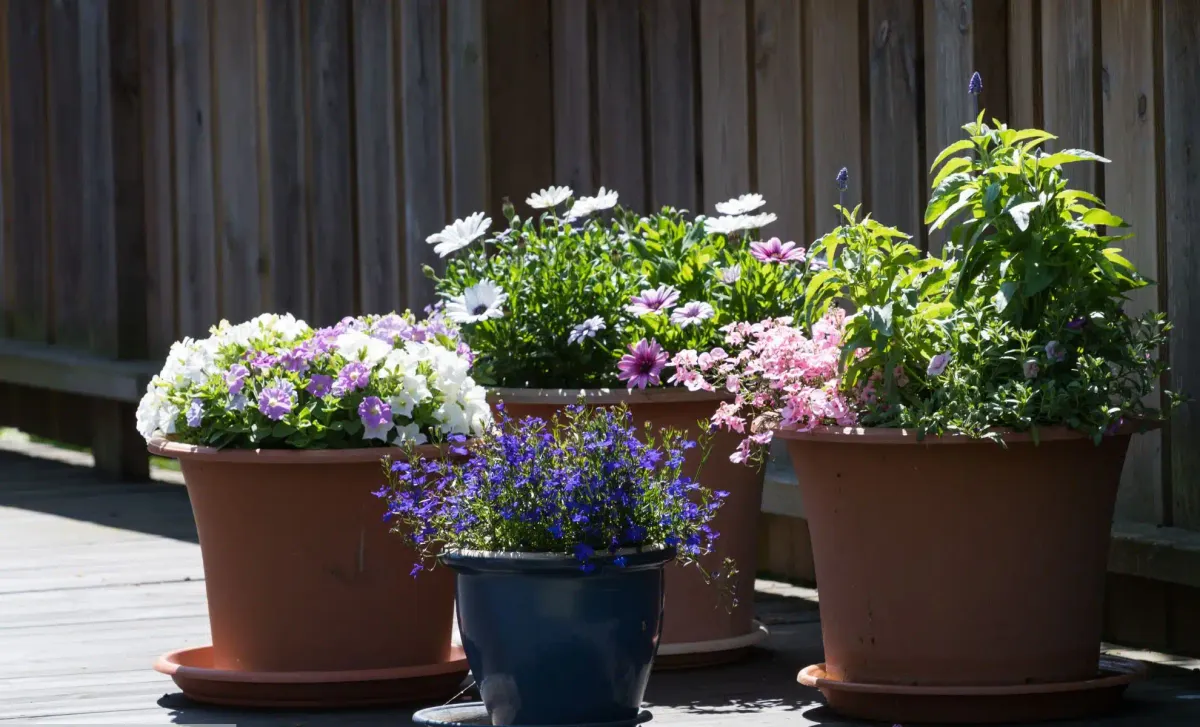
In outdoor décor, a fresh trend is taking shape that is changing how we view balconies and terraces. By 2026, the classic flower pot, once the go-to for balcony style, is being replaced by an approach that treats these outdoor nooks as extensions of living space. It is a different way of organising exterior areas.
How outdoor spaces are changing
For years, dressing a balcony meant lining up a row of flower pots along a wall or railing. Those traditional pots, usually placed on the floor, were the obvious way to bring greenery outside. Lately, though, people have started treating balconies and terraces as ‘true living rooms’, furnishing and arranging them with the same care they use indoors.
This has brought non-plant items to the fore. Pieces like furniture, lighting, outdoor rugs and lamps are now seen as important parts of a well-designed exterior space, helping to make balconies and terraces more functional and attractive.
The new way to display plants
The main change is how plants are displayed. Instead of remaining on the floor in standard pots, plants are being raised on supports made from materials such as black metal or wood. These supports, often with slender legs, lift the plants off the ground and free up both visual and physical space.
Lifting plants like this makes the area feel lighter and more modern, and it tidies things up. Plants take a more prominent role, treated as decorative pieces on a par with furniture or outdoor lamps. Varying height is also important: placing planters at different levels creates a dynamic layout without the need for screens or dividers. That is especially useful for smaller balconies, where floor space is limited, as it lets you fit more plants without losing usable floor area.
Mixing materials and colours for contrast
Contrasting materials and colours are a big part of the look. Green foliage set against black metal frames or warm wood tones gives a modern, Scandinavian-leaning vibe. Metal is noted for its durability and contemporary feel, while wood brings warmth and cosiness.
The Spanish site LosAndes highlights the benefits of these materials and stresses the idea of creating levels and using plants to shape a space. As LosAndes notes, “metal is widely used for its modern appearance and its durability, but wood also remains much appreciated to create a warmer atmosphere.”
Plants become part of the architecture
Where traditional flower pots were mainly practical, the new planters and structures act as design features, making plants a key part of how a space is decorated and organised. They can help define distinct zones on a terrace, such as dining and relaxation corners.
By 2026, balconies and terraces are no longer just places to line with floor pots; they are modern compositions that feel organised and visually lighter. With arrangements that favour layering plants and creating levels, these outdoor areas look better and work harder.
This approach encourages homeowners to rethink their outdoor spaces so they function as stylish, usable extensions of their interiors. The result is a blurring of the line between garden and home, where nature and architecture sit together.