Find out how placing bay leaves by your front door can shield you from many troubles
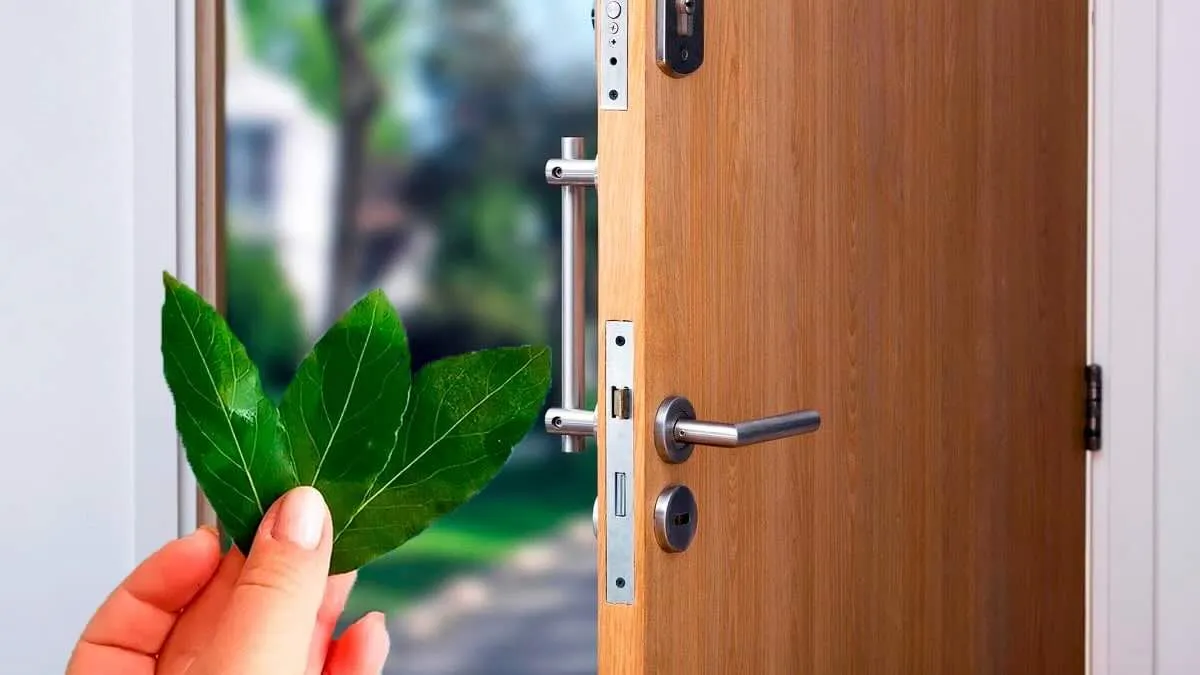
Adding laurel to your entrance can help create a calm, protected space. The laurel plant (known in French as “le laurier”) has been used for centuries to bring a sense of harmony and welcome to an entrance. With deep cultural roots and practical uses, laurel is found outside homes around the world.
Laurel through the ages
Laurel’s story goes back thousands of years, closely tied to Ancient Greece and Imperial Rome. In Ancient Greek life, laurel stood for victory and wisdom. Victorious athletes at the Olympic Games, poets and heroes wore laurel wreaths as a sign of triumph and learning. The Romans kept the tradition going, using laurel to symbolise glory and protection, often crowning respected leaders with it.
Those meanings, victory, wisdom, glory and protection, have been passed down over the centuries. Today, laurel is still associated with strength, purification and spiritual safeguarding, and is often chosen for a home entrance.
Customs and beliefs around laurel
A range of traditions contributes to laurel’s appeal. In feng shui (the Chinese art of harmonising with your surroundings), maintaining a free flow of energy at the entrance is important. Certain esoteric traditions regard the front door as the point where energies enter, and aim to achieve balance there.
Folk beliefs hold that laurel can bring protection and attract prosperity. Placed by the door, it is thought to keep negative influences at bay, acting as an invisible barrier against misfortune. Its scent has been used in purification rituals for centuries, and in some traditions laurel is thought to bring peace and abundance, a traditional way of wishing good fortune to anyone who comes in.
Practical uses for laurel
Laurel is not only symbolic; it has practical uses. Dried leaves are known to repel insects, so a laurel plant near your door can double as a simple pest-control measure.
In the kitchen, fresh laurel leaves can be picked to flavour slow-cooked dishes. The plant’s aroma can freshen the air and create a calmer atmosphere. Burning a dried leaf is believed by some to ease stress and promote relaxation, reinforcing laurel’s role in wellbeing.
Visually, a pot of laurel brings greenery and a peaceful feel to an entrance, making visitors feel welcome. It is low-maintenance and cost-effective, so it is an easy, green option for homeowners.
Where to put laurel and how to care for it
For the best effect, place your laurel in a sturdy pot outside the front door, either to one side or symmetrically on both sides of the threshold. If you prefer something smaller, a little sachet of dried leaves can be hung by the entrance as a protective talisman.
Laurel prefers sun but tolerates partial shade. Light, regular pruning encourages healthy growth, and harvesting a few leaves now and then helps the plant stay vigorous. Laurel requires little upkeep and is inexpensive to maintain.
Laurel in rituals and home wellbeing
Laurel’s scent has long been used in purification rituals by various cultural groups. This practice appears across multiple traditions. Burning leaves is still recommended by some to reduce stress and encourage relaxation.
Using laurel in daily life links historic practices with contemporary aims, supporting peace at home and care for the environment.
Overall, laurel’s combination of symbolic, practical and aesthetic qualities makes it a useful addition to any house. Whether thought to fend off bad influences or used simply to flavour a stew, laurel can contribute to a sense of wellbeing. Its long history remains relevant today, encouraging more people to consider the plant for their doorways. It is a reminder of nature’s lasting presence in our homes.