Dubbed the “human anthill”, this city is bursting at the seams with over 13,000 residents per square kilometre
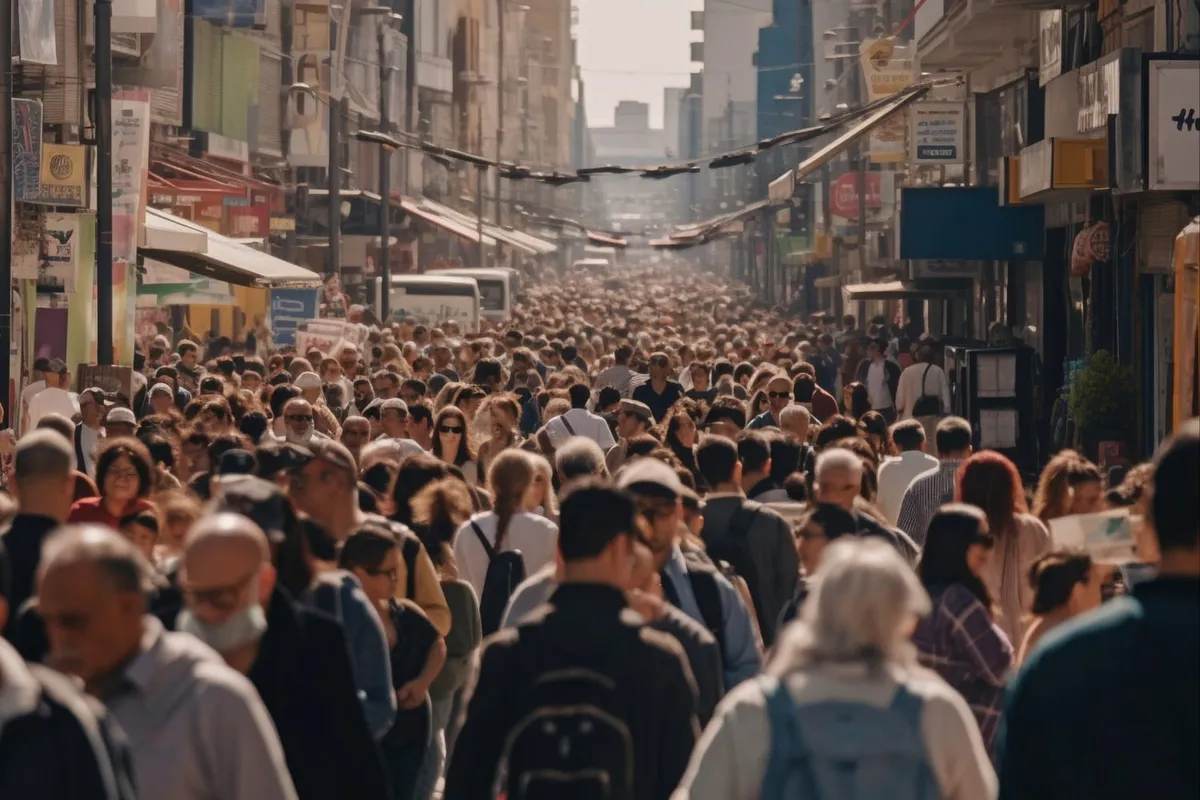
Hidden on the edge of the metropolis of São Paulo is a small but lively urban area often nicknamed the “human ant colony” of Brazil. This is Taboão da Serra, known for its bustling streets and very high population density. As the ninth smallest municipality in Brazil, Taboão da Serra faces particular challenges and opportunities that mirror wider patterns of urbanisation and economic change.
How dense is it? Growth and numbers
Taboão da Serra, tucked up against São Paulo, covers just 20 square kilometres. Despite that small footprint, the municipality had 273,542 inhabitants according to the 2022 census. That results in a density of 13,416.81 inhabitants per square kilometre, higher than the São Paulo metropolis, which sits at 7,814 inhabitants per square kilometre.
Near‑total urbanisation explains that figure: of the 20 km², 18.61 km² is urbanised. The town’s transformation began in the early 20th century and was formalised when it became independent in 1959, leaving very little room to expand. Locals and observers describe the place as “totally urbanised”, “overpopulated”, with “streets narrow and crowded”, descriptions that point to a lively yet space‑pressed environment.
From farms to shops: how the economy has shifted
Historically, Taboão da Serra moved from an agricultural base to a residential and commercial centre. That shift accelerated in the 2000s, turning the local economy more towards services. Big retail and distribution companies such as Grupo Pão de Açúcar, Carrefour, and Walmart led the change, signalled a break from the town’s agrarian past.
A large share of the population is economically active, and formal workers on average earn 2.5 times the national minimum wage, indicating relatively higher earnings among formal employees. The demographic trend looks set to continue: the population is projected to reach 285,307 by the end of 2025, suggesting ongoing economic activity.
The city’s headaches and how it’s tackling them
Rapid urbanisation and the economic shift have put pressure on housing, transport and leisure provision. The municipality needs to extend public infrastructure and services to keep pace. Local authorities have prioritised projects that promote mixed‑use buildings, improve transport, and expand parks, schools and health centres.
Given its proximity to São Paulo, Taboão da Serra is attractive to people seeking more affordable options close to the economic hub. That has led to the town being labelled both a “dormitory town” (a commuter town) and a lively economic zone, while still being described as overpopulated.
Looking ahead: opportunities and lessons
Taboão da Serra’s story is one of ongoing adaptation and planned growth within very limited space. Described as “a true human ant colony” coping with near‑total urbanisation, the municipality shows the challenges cities face when trying to accommodate growing populations on finite land.
The comparison with São Paulo shows how density and urban management shape everyday life and economic prospects. As the town continues to grow, careful planning and investment in infrastructure will be key to managing that growth sustainably. The approaches taken here may offer lessons for urban planning across Brazil and in similar cities worldwide.