Don’t boil it in water: the right way to cook spinach and keep its nutrients intact
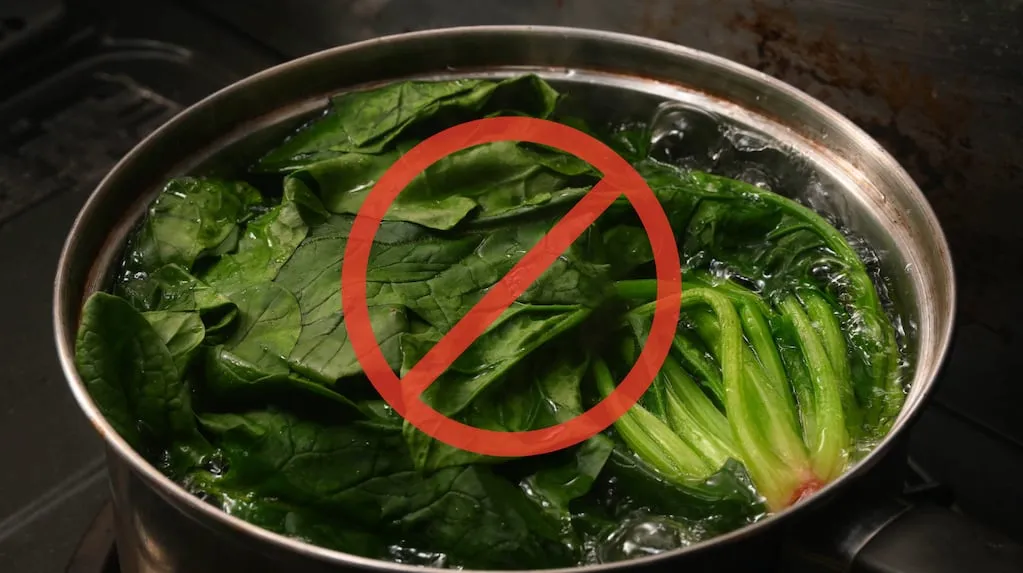
Spinach is a versatile, nutrient-rich vegetable and appears in many dishes. The way you cook it affects how many vitamins and minerals you retain. Boiling spinach, a common method, can reduce the amount of water-soluble vitamins and some antioxidants. Using different cooking techniques helps preserve more of its nutrients.
Why boiling isn’t the best idea
Spinach contains vitamin C and various B-group vitamins. Boiling it in water causes a loss of these nutrients because water-soluble vitamins dissolve into the cooking liquid. Extended exposure to high heat can also break down antioxidant compounds, reducing the vegetable’s nutritional value. Boiling does not make spinach unsafe, but it does lower the potential benefits.
If you boil spinach, save the cooking water. That liquid contains leached vitamins and can be used in soups or broths.
Better ways to cook: steam or sauté
To retain more nutrients, steam or sauté spinach. These methods use less water and take less time, which helps prevent nutrient loss.
Steamed spinach: a short how-to
Steaming is a gentle method that preserves most nutrients. Place the spinach in a steamer or a colander over a pot with a little water. Cook for about 2,3 minutes, or until the leaves have just wilted, and remove from the heat immediately to avoid overcooking. This minimises vitamin loss while keeping the greens palatable.
Sautéed spinach: step by step
Sautéing is another option. Heat a frying pan with a drizzle of olive oil, add the raw spinach and cook over medium heat for 2,4 minutes. The short time and minimal water help preserve more of the nutrient profile than boiling does.
Getting the best taste and nutrition
Don’t overcook spinach; excessive heat and time reduce its health benefits. Freshly cooked spinach provides vitamins at their peak. Boost the flavour with garlic or a squeeze of lemon (which also brightens the dish).
Spinach can carry pesticide residues, so pay attention to its source, especially if it is conventionally farmed.
This advice applies to recipes such as spinach and ricotta fritters made without flour or deep frying, offering a healthier take on a classic.
Using these cooking methods helps retain nutrients and improves flavour, keeping spinach a nutrient-dense option in everyday diets.