Blue tits discover using cigarette butts in nests helps repel parasites
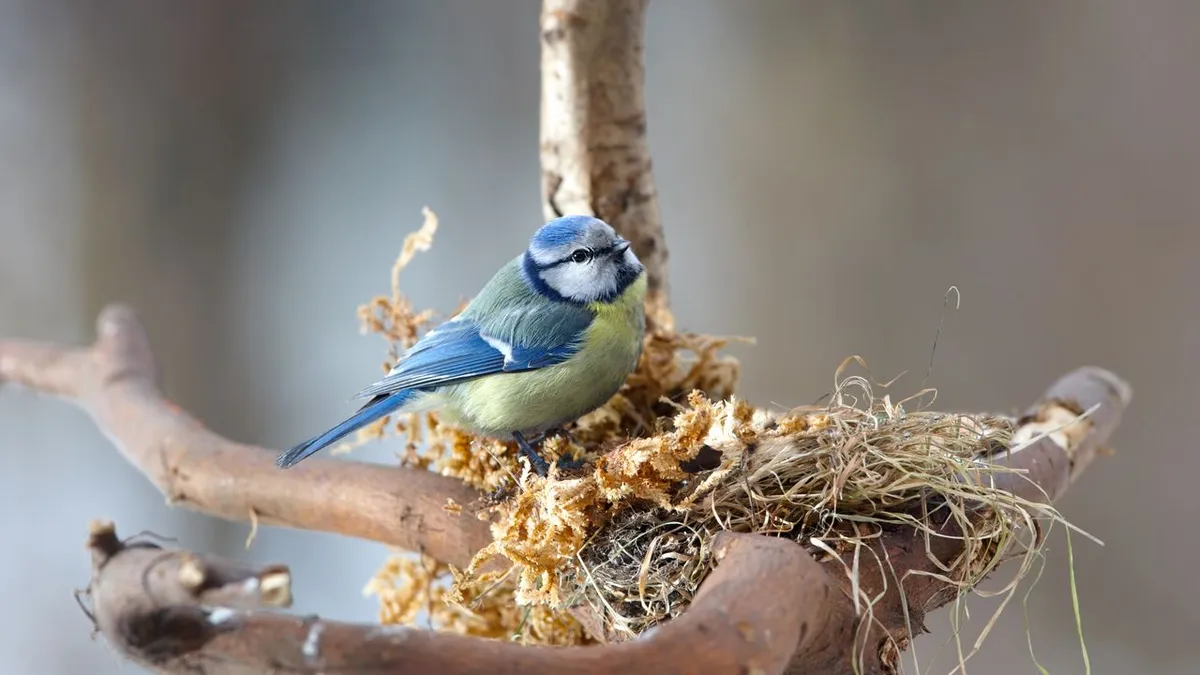
The team at University of Lodz in Poland report that blue tits, Cyanistes caeruleus, incorporate cigarette butts into their nests. In a paper published in the journal Animal Behaviour, they investigate whether these birds use cigarette butts in a similar way to aromatic plants in the countryside: to reduce parasites.
Why they did the study
Cigarette butts are widespread in towns and cities, causing pollution and sometimes harming animals. The researchers investigated whether blue tits, which cope well in urban areas, might be using the nicotine and other compounds in butts to reduce parasite numbers in their nests, comparable to how they use lavender and other aromatic plants in the wild.
Blue tit behaviour and nesting
The bird, Cyanistes caeruleus, has yellow, blue, black, green and white plumage. It is a sociable, insect-eating passerine and consumes insects such as mosquitoes. In natural settings blue tits are known to add aromatic plants like lavender to their nests to repel insects, which prompted the researchers to consider whether urban birds might substitute cigarette butts for those plants.
How the experiment was set up
The researchers followed 33 families of blue tits and split them into three nest groups. One group was a control, with nests left as they were. A second group had nests supplemented with cigarette butts to mimic what might happen in the city. The third group was given lab-sterilised nest replacements made from moss and cotton. After a 13-day incubation period, the chicks were checked and had blood taken to look for signs of disease, focusing on haemoglobin and haematocrit levels (measures of red blood cells and blood oxygen-carrying capacity).
What they found on chick health and parasites
Chicks in nests that contained cigarette butts, and those in the sterile moss-and-cotton nests, showed higher haemoglobin and haematocrit levels than chicks in the control nests. That suggests better health, likely because they suffered less blood loss from parasites. The control nests had more parasites such as mites, ticks and fleas. Nests with cigarette butts had fewer larvae of flesh/carrion flies, suggesting a protective effect from the nicotine in the butts.
What nicotine in nests might do
Nicotine is a known insecticide, and the authors suggest it could be helping to keep parasites down in these urban nests, in a way similar to aromatic plant compounds. They also warn that cigarette butts contain other harmful substances — for example arsenic and heavy metals — which might pose risks to adult birds that are not yet clear.
Cities, litter and wildlife
This study examines the relationship between urban pollution and how wildlife adapts. While cigarette butts are an environmental nuisance, they can unintentionally become a resource for birds trying to cope with city life. That dual nature raises questions for managing urban wildlife and for efforts to keep public spaces clean.
The results from University of Lodz provide a snapshot of urban ecology, showing both behavioural adjustments and potential risks for animals living alongside people. As urban and natural landscapes continue to change, these findings invite consideration of the consequences and the behavioural shifts they can trigger in other species.